Monday, December 5, 2011

Soup Review

The soup was a big hit. My family devoured it. I forgot I was going to give the husband some chicken to put in his. :-) It was a super easy supper and totally delicious. I sprinkled a little green curry in my bowl and some fresh ground pepper.
Big hit super yummy Thank you Yarn Harlot!!

Mmmmm Soup

I am making this for dinner tonight. I have been craving soup and I happened by this while reading the Yarn Harlots blog. (I follow it so you can find the link here) http://www.yarnharlot.ca/blog/  It sounds so yummy and it is cold here today. A perfect day for soup if you ask me.
I also started a green smoothie cleanse, sort of, today. I am trying to clean up my eating again and am seriously considering going back to a vegetarian diet with some occasional veganism thrown in there too.
Anyway Stephanies soup seems just the ticket for tonight.
Here is the recipe via the Yarn Harlot.

Emergency Soup 

1 Tablespoon butter
1 Tablespoon olive oil
2-3 leeks (the white parts only, sliced very thin) 
2-3 potatoes, scrubbed, quartered and sliced thin. 
2-3 carrots,  sliced in half lengthwise, then chopped pretty fine. 
2 cloves garlic, minced. 
4 cups vegetable stock (If I don't have any, I cheat and use water and 2 veggie bouillon cubes.) 
1 can chick peas.  (Rinsed)
Parsley if you have it. 

Put the olive oil, butter and leeks into a heavy bottomed pot, stir until the butter melts, put the flame on medium low, and put a lid on it. 
Go wash and slice the carrots and potatoes.  
Stir the leeks after 5 minutes.  
At the 10 minute mark, add the potatoes and carrots, and maybe turn the heat up a little.  Stir, cooking until they're almost tender, then whack in the garlic, and stir for about 2 more minutes.  
Add the chick peas, and cook, stirring for a minute or two. 
Add the stock and parsley (if you're using it) and bring the soup to a simmer. 
Simmer until the potatoes and carrots are fully soft (this will be less than 15 minutes) then either eat it the way it is, or - for a really creamy soup (that has no cream) puree one cup of the soup and add it back.  (I always puree, but I have an immersion blender that makes it a snap.) 


I will take a picture and post it with a review tomorrow. BTW she promises if you omit the butter and just use olive oil it is vegan. :-) That seems pretty easy. 

Wednesday, November 23, 2011

Sweet Potatoes Yum!!

We are not talking the canned variety. Fresh sweet potatoes are good all year round. Of course they get the most attention at Thanksgiving and Christmas but are a great addition to your healthy table any day of the week


sweet potato

Sweet potato nutrition - six amazing facts you need to know

Saturday, November 12, 2011 by: Tara Green

(NaturalNews) One of the most nutritious foods on the traditional Thanksgiving menu is the sweet potato. These orange-skinned root vegetables offer a host of health benefits (especially when cooked without the unnecessary sugar and marshmallows). If you want to raise health consciousness around the dinner table this holiday season, try throwing some of these six sweet potato facts into the conversation:

1. High nutritional value

A 7-ounce (1 cup) serving of sweet potatoes contains 65% of the minimum necessary daily amount of Vitamin C. Sweet potatoes are also high in calcium, folate, potassium and beta-carotene. Beta-carotene is an antioxidant which converts to Vitamin A in the body: one serving of sweet potatoes can provide you with as much as 700% of the US RDA for Vitamin A. The Center for Science in the Public Interest rates sweet potatoes as the number one most nutritious vegetable because they such are so nutritionally rich.

2. Low glycemic index

If you are unfamiliar with this term, the glycemic index indicates the impact a food substance has on blood sugar levels. A high glycemic index means blood sugar levels can spike. Diabetes and others who monitor their blood sugar levels seek to avoid foods with a high glycemic index or load. Sweet potatoes have a glycemic load of only 17. (By way of comparison, a white potato has an index of 29.)

3. Accessing sweet potatoes' nutritional benefits is easy

To gain the maximum health benefits from eating sweet potatoes, avoid discarding their skins -- much of their healing potential resides in this portion of the tubers. Also, following the common dieters' fallacy of avoiding all fats reduces your ability to access sweet potatoes' benefits: beta-carotene absorbs more thoroughly into the body when consumed with a small amount of fat. Recent research seems to indicate that steaming or boiling sweet potatoes rather than roasting them helps preserve their low glycemic index.

4. Good for your skin

Their high levels of Vitamin A and beta-carotene means sweet potatoes are a skin superfood. The substances on many pricey skin-care products like retinol and retinoic acid are actually derived from Vitamin A. Plus beta-carotene combats the free radicals which result skin aging.

5. Sweet potatoes are like yoga

Their high potassium content means sweet potatoes can alleviate muscle cramps which are often related to potassium deficiency. During times of stress, the body uses more potassium, so eating sweet potatoes can help protect you from the negative health effects of tension.

6. Easy to grow in your garden

Starting a vegetable garden is a great way both to reduce your grocery bill now, and to reduce your dependency on grocery stores for the long-term. Sweet potatoes make a good beginner's garden crop. Although originally native to South America, this type of tuber only requires 100 frost-free days in order to grow, so you do not have to live in the tropics to harvest some of these nutritionally valuable tubers. Sweet potato plants have fewer diseases than other types of potatoes, and they are relatively undemanding plants, requiring little in the way of water or fertilizer. You can read more about growing sweet potatoes here:http://robbwolf.com/2011/04/20/grow...and herehttp://www.farmradio.org/english/ra...


http://www.naturalnews.com/034135_sweet_potatoes_nutrition.html

Tuesday, November 22, 2011

Maintaining Healthy Eating During the Holidays

Do you struggle with keeping your healthy habits intact during the holiday season. I do! There are so many yummy things out there and I end up often eating way more than I should. Here is a great Article that gives tips on how to maintain your healthy habits without denying yourself.

Thursday, October 20, 2011

What we eat really does make a difference.


Eating the right kinds of foods can help reduce your cancer risk. These foods are often referred to as "superfoods," which is a nod to their power-packed nutrition.
Superfoods work because their phytochemicals act in harmony to pack an anti-cancer punch. (Note: the word "phytochemical" refers to a wide variety of components in plants that can treat or prevent disease, such as carotenoids and lycopene.) These types of foods also tend to be low in calories and rich in fiber, which can help in weight control.
Weight control is key in preventing some cancers, according to the American Institute for Cancer Research. Obesity increases the risk of colorectal, esophageal, endometrial, pancreatic, renal and breast (in postmenopausal women) cancers.
The word "superfood" is not in common use within the medical community, and Cathy Held, nutrition manager at Franciscan St. Margaret Health in Hammond, says sometimes it's used as a way to market supplements. However, she says, some foods are higher in the good stuff than others. "Blueberries, for instance, have some of the most potent antioxidants available," she says. "You cannot go wrong with having a variety of food, and the more colorful the better."
Here is the rundown of the top eight:
• Beans (legumes such as dried beans, lentils, soybeans and peas) are high in saponins, which have been shown in clinical studies to slow the growth of tumors and inhibit the division of cancer cells. Beans are also high in fiber.
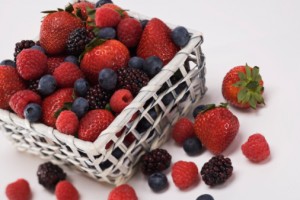
• Berries are also high in vitamin C, fiber and ellagic acid, which can prevent cancer of the skin, bladder, lungs and breast. Berries will also slow down the reproduction of cancer cells.
• Cruciferous vegetables (cabbage, broccoli, Brussels sprouts) have a high level of fiber and they actually help regulate the body's enzymes that defend against cancer," Held says. "They can slow down the growth of tumors in the breast, lungs and liver."
• Dark green leafy vegetables (spinach and kale, dark lettuces) have carotenoids, which protect against cancer of the throat. They also act as an antioxidant, getting rid of dangerous free radicals.
• Garlic helps protect against stomach cancer, and evidence shows it helps prevent colon cancer. Other alliums are included in this group, such as onions, leeks and chives.
• Grapes and grape juice are also loaded with resveratrol. Although wine does have some of the same properties, Held says it can also raise the risk for throat, mouth and breast cancer.
• Green tea is full of antioxidants, and lab studies have shown that green tea prevents cancer development in colon, breast and prostate. "Do not drink more than three cups a day," Held says. "People buy green tea supplements, but too much green tea can interact with drugs, such as those that prevent blood clotting."
• Tomatoes are famed for their lycopene content, which prevents prostate cancer. You get more lycopene if it's processed, such as tomato juice, ketchup and sauces.
For further information, visit aicr.org/foods-that-fight-cancer.


Read more: http://www.nwitimes.com/niche/get-healthy/nutrition/article_6a13db1a-3e32-5e6f-b5d2-8f8b468f0e5b.html#ixzz1bMBOb9Us